Holistic wellness has been gaining recognition as people increasingly explore ways to support their emotional, mental, and spiritual balance. Rather than focusing on symptoms alone, holistic healing encourages a deeper understanding of the mind–body connection and how personal energy, emotions, and inner narratives shape overall well-being. Through integrative approaches such as counselling, spiritual development practices, and energy healing, individuals can begin addressing the layers of their inner experience.
Understanding the Role of Holistic Healing Practices
Holistic healing is not a single modality but a collection of practices rooted in supporting the whole person. Many people explore these approaches when traditional methods feel incomplete or when they sense that their emotional or energetic patterns are affecting their quality of life.
Emotional Support Through Therapeutic Conversation
Counselling remains one of the most widely recognized holistic tools for emotional well-being. Rather than offering quick fixes, therapeutic conversation helps people explore the roots of their stress, anxiety, and internal conflicts. Approaches such as mindfulness-based therapy, cognitive reframing, and narrative exploration allow clients to understand how their thoughts and emotions shape daily experiences.
Counselling also supports life transitions, relationships, grief, and self-identity challenges. By creating space for honest reflection and emotional processing, individuals can build resilience and healthy coping strategies.
Energy Healing as a Complementary Pathway
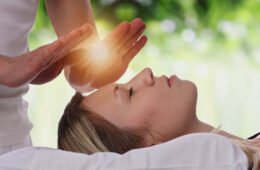
Energy-based modalities like Reiki have also become part of holistic wellness due to their calming and restorative effects. Reiki therapy focuses on balancing the body’s natural energy flow, which may be disrupted by emotional strain, prolonged stress, or physical fatigue. Many people describe Reiki sessions as emotionally soothing, grounding, or clarifying, even when they arrive with tension or mental overload.
Rather than replacing medical or psychological care, energy healing is used as a complementary practice that enhances relaxation and emotional clarity.
The Growing Interest in Spiritual Guidance
For some, spiritual guidance becomes an important part of personal development. This does not necessarily relate to religion; instead, it is a reflective process that encourages deeper understanding of purpose, inner wisdom, and intuition. Many people seek spiritual clarity during moments of uncertainty—career changes, emotional overwhelm, or periods of transformation.
A spiritual mentor may support clients in exploring intuitive practices, journaling, meditation, or personal belief systems. The process often leads to stronger self-awareness, a sense of direction, and alignment between values and daily choices.
How Digital Wellness Platforms Support Holistic Growth
Online wellness platforms have made integrative healing more accessible to people worldwide. Services such as counselling, Reiki, and spiritual guidance are now offered digitally, allowing individuals to engage in personal development from the comfort of their own homes.
A practical example of this can be seen on websites like Holistic Hub Healing, which provide information about multiple modalities and how they complement one another in supporting emotional and energetic well-being. These platforms help users understand the options available and choose the approach that feels most aligned with their needs.